
The international trade market is evolving quickly in 2026. Companies are adjusting to new market conditions, new trade routes, higher transport prices, and growing digitalization in business.
Logistics from the company's point of view is not a one way street confined to the transport of goods between countries. The international trade business operations these days rely heavily on the visibility, coordination, speed, and flexibility of the supply chain.
For logistics software providers and freight operators, this can be a year in which technology and operational planning become a key enabler of seamless global cargo transportation.
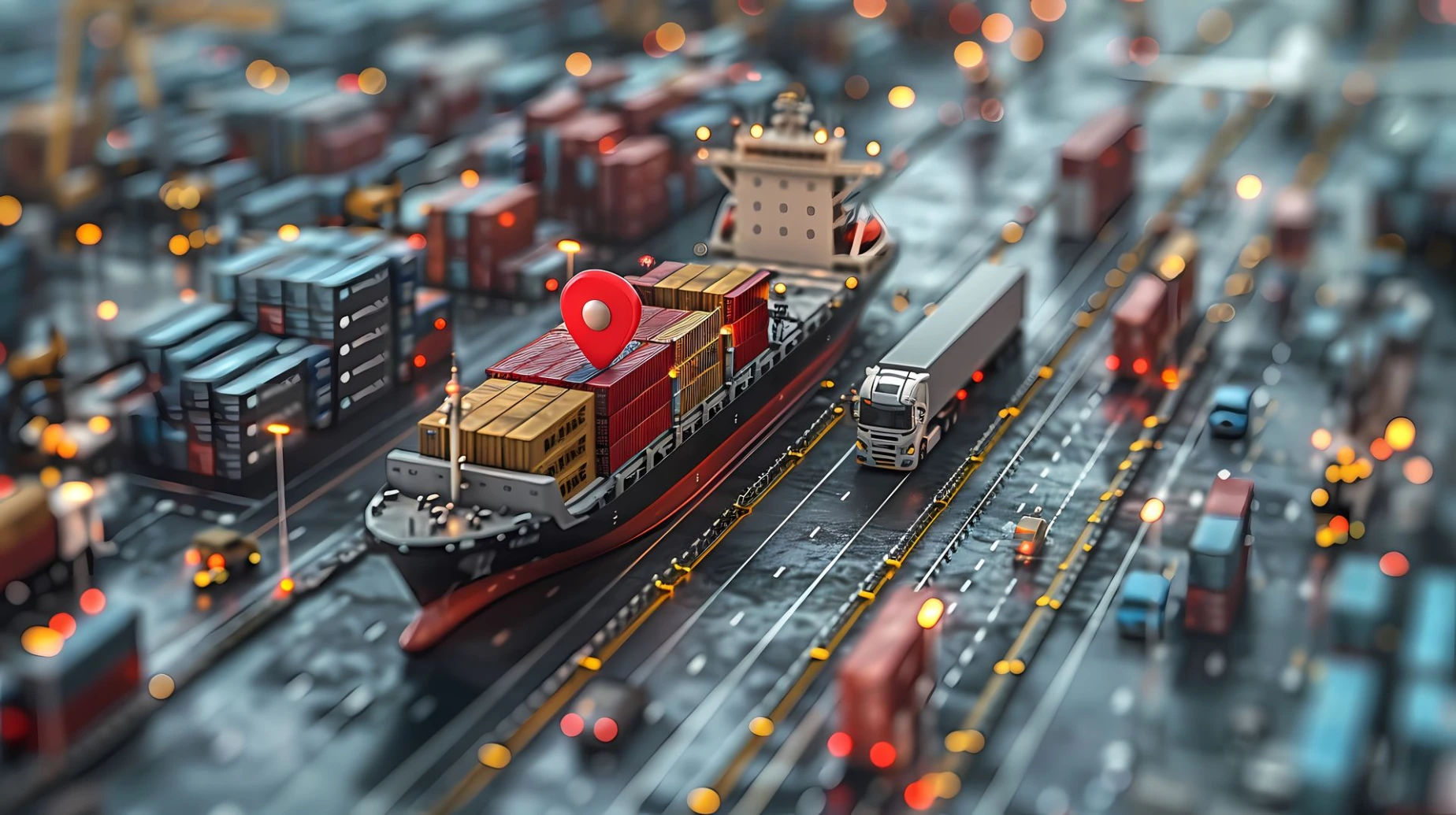
Global Trade Is Becoming More Connected
Modern global trade depends on a large network of:
Ports
Shipping lines
Warehouses
Customs systems
Freight forwarding companies
A lag in one part of the world now impacts businesses in several nations.
The interconnected system has enabled faster trade in many areas around the world, but it has also made the process more complex to operate. Foreign trade companies need to pay greater attention to the new regulations, freight availability, fuel prices, and geopolitical factors than ever before.
Logistics Has Become a Core Part of International Trade
Logistics has traditionally been viewed as an operational back end function. In 2026, it was elevated to a strategic business function.
Efficient logistics transportation directly affects:
Delivery timelines
Customer satisfaction
Inventory management
Operational costs
Trade competitiveness
Companies engaged in international business and trade are increasingly investing in digital logistics methods to increase efficiency and reduce delays.
From a company's point of view that relies on real world logistics software, the companies using connected supply chain systems are generally much better equipped to deal with disruptions compared to those that rely on a lot of manual coordination.
Freight Forwarding Companies Are Adapting to New Challenges
In response to the growing demand for quicker and more transparent cargo movement, many freight forwarding companies are adjusting their operations.
Customers today expect:
Real time shipment tracking
Faster documentation processing
Better freight visibility
Predictable delivery schedules
Accurate cost estimation
Consequently, operators of logistics companies are becoming more and more inclined to deploy cloud based systems, automation, and logistics integration solutions to streamline everyday business.
Digital freight management is gaining increased significance for companies operating their cargo across different countries and transport sectors.
Technology Is Reshaping the Trading World
Technology is still an important part of the trading world in the future.
Many logistics companies are investing in the following in 2026:
Cloud based logistics software
AI powered forecasting tools
Automated shipment tracking
Electronic documentation systems
Supply chain analytics dashboards
These tools can help businesses become more efficient, minimize manual effort, and prevent communication breakdown.
Digital visibility is crucial for businesses involved in international trade. Even minor disruptions can quickly lead to delays throughout the supply chain if there are no real time updates.
Rising Costs Continue to Affect International Trade
Global shipping and transportation costs remain a challenge for many businesses.
Several factors continue to impact pricing:
Fuel price fluctuations
Port congestion
Labor shortages
Container availability
Customs delays
Inflation in transportation services
Logistics cost is the one big concern of businesses dealing with international trade. .
That is why, more and more companies are turning their attention toward route optimization, shipment consolidation, and smarter inventory planning.
Supply Chain Flexibility Matters More Than Ever
Businesses have a big takeaway from the last couple of years: being flexible.
High concentration of suppliers, trade routes, or a region can lead to greater risk during disruptions for companies.
In 2026, many businesses are diversifying:
Supplier networks
Shipping routes
Warehouse locations
Freight partners
This will help to increase resilience and decrease reliance on a single market or transport mode.
In terms of logistics operations, flexibility can be as important as speed.
Sustainability Is Becoming Part of Logistics Planning
The sustainability issue is a growing concern in the transportation industry.
There are numerous companies engaged in international trade that are looking at ways to use less fuel and to be more efficient in their transportation.
This includes:
Better route planning
Improved load management
Paperless documentation
Smarter warehouse operations
Energy efficient transport systems
Sustainability goals vary from one region to another, but for many companies, logistics planning that is accomplished efficiently is not only an environmental benefit, but one that is good for their operations as well.
The Growing Role of Logistics Services
Today's logistics services are not limited to transportation.
Many logistics providers today also support:
Customs coordination
Inventory visibility
Freight documentation
Warehouse management
Shipment analytics
Cargo insurance coordination
Logistics partners are becoming more and more attractive if they offer connected and technology supported solutions instead of only transport services.
Frequently Asked Questions
1. What is international trade?
International trade involves the movement of goods and services across national borders, either in the form of imports or exports or through international supply chains.
2. Why is logistics important in global trade?
Logistics includes delivering transportation, warehousing, customs clearance, and tracking cargo, enabling businesses to transport goods across countries in an efficient manner.
3. How are freight forwarding companies changing in 2026?
Numerous freight forwarding firms are implementing digital solutions, real time tracking, automation, and cloud based platforms to boost transparency and effectiveness in shipping operations.
4. What challenges are affecting international trade in 2026?
The key issues are transportation expenses, geopolitical tensions, trade regulation shifts, and labor shortages, among others.
5. How does logistics software help international trade businesses?
Logistics software enables companies to track and manage shipments, communicate with customers, minimize delays, optimize the logistics process, and much more.
Final Thoughts
International trade in 2026 is enriched with technologies, more connected and demanding for operations.
With overseas trade and supply chain operations becoming a vital component of the business for enterprises engaged in international trade, logistics planning has become crucial to guarantee efficiency and competitiveness.
Logistics software companies' future will rely on visibility, flexibility, digital coordination, and smarter decision making throughout the international trade supply chain.
Those firms that have embraced the latest in logistics equipment and flexible operations will have a better chance of meeting the evolving demands of world trade.